


Customer Relationship Management
An explanation of Customer Relationship Management (CRM), its usage, context, related software, benefits, and common questions related to it.
Definition
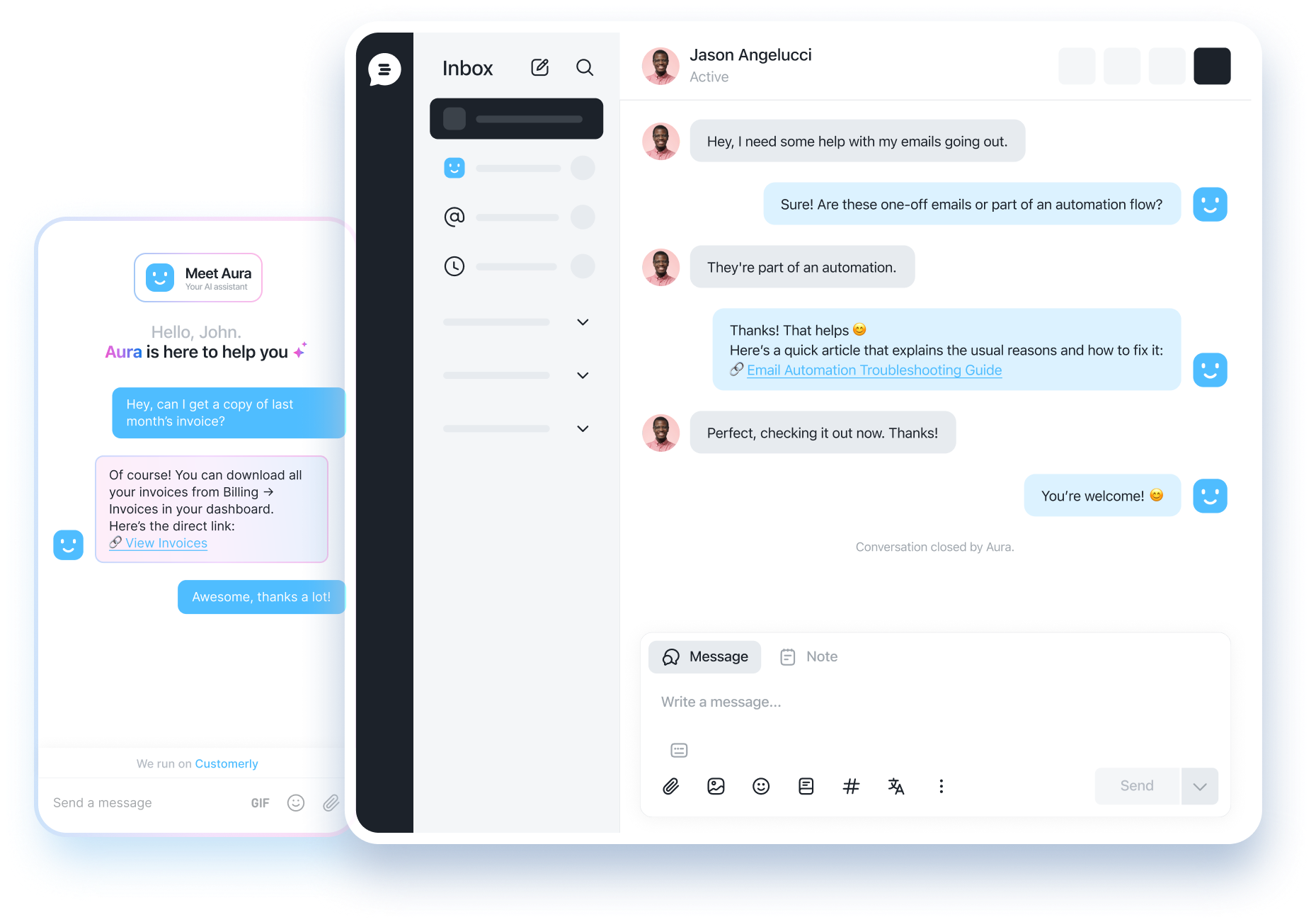
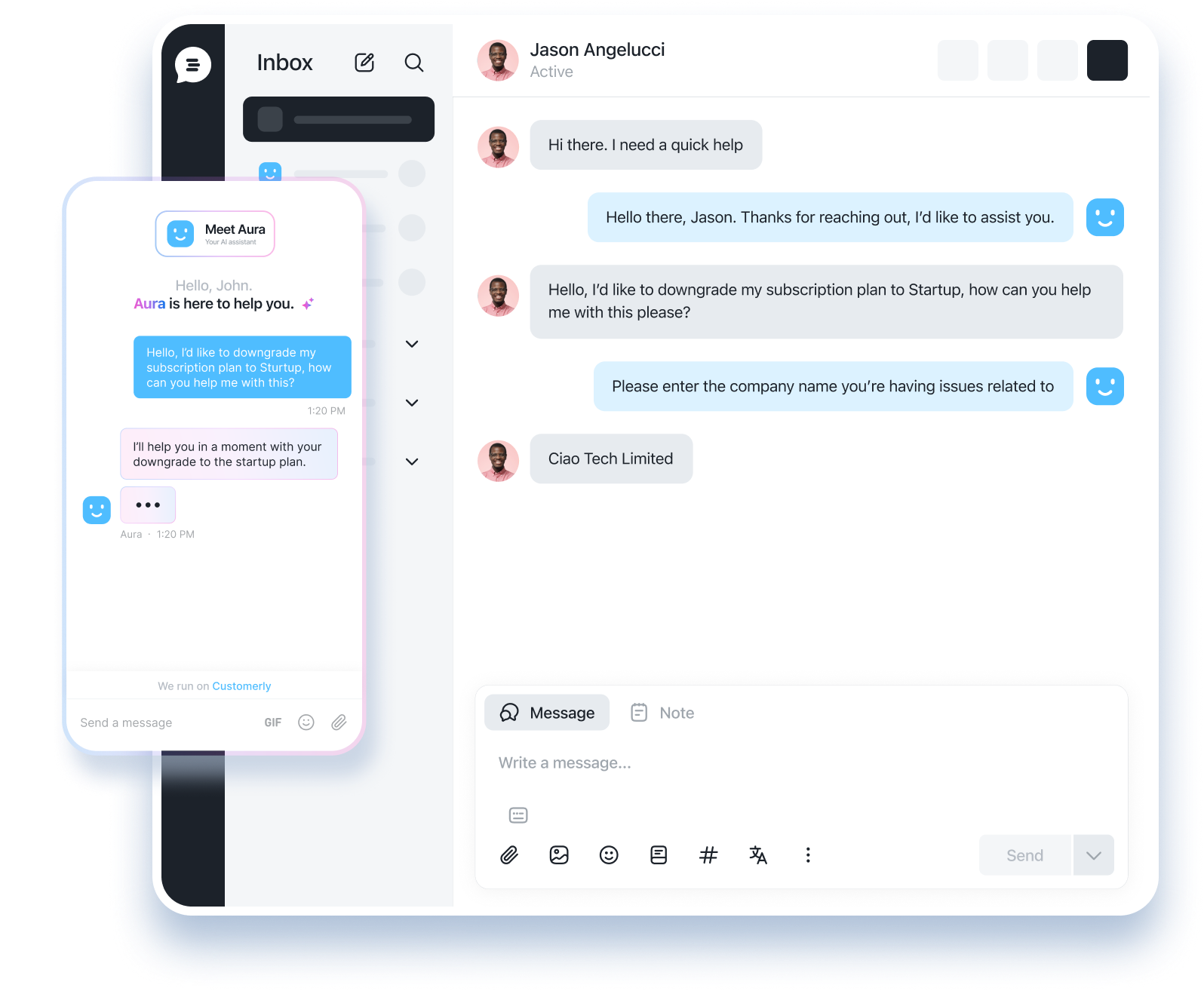
Customer Relationship Management (CRM) is a technology used to manage all your company's relationships and interactions with customers and potential customers. The main goal is to improve business relationships, assist in customer retention, and drive sales growth. CRM systems compile customer data from a range of different channels, including a company's website, telephone, email, live chat, marketing materials, and more.
Usage and Context
CRM allows businesses to manage customer interactions, support, and relationships through reliable systems and processes. It also integrates organizational processes across marketing, sales, and customer service. Many companies use CRM software to store customer and prospect contact information, identify sales opportunities, record service issues, and manage marketing campaigns.
FAQ
What are the types of CRM?
There are three main types of CRM: Operational CRM (which focuses on automation and improvement of customer-facing or front-office business processes), Analytical CRM (which focuses on the intelligent mining of customer-related data for strategic or tactical purposes), and Collaborative CRM (which focuses on interaction and collaboration with the customers).
Why is CRM important?
CRM is crucial for a business as it helps to build relationships with customers, which in turn creates loyalty and customer retention. Since customer loyalty and revenue are both qualities that affect a company's revenue, CRM is a management strategy that results in increased profits for a business.
Related Software
Some of the top CRM software includes Customerly CRM, Salesforce CRM, HubSpot CRM, Zoho CRM, Microsoft Dynamics 365 CRM, and Freshsales CRM.
Benefits
CRM benefits businesses in many ways, including improving customer service, increasing customer satisfaction, creating a full-fledged system of sales process management, and providing a complete picture of customer interactions.
Conclusion
In conclusion, Customer Relationship Management (CRM) is a powerful tool that when used effectively can yield significant benefits for businesses. It is not just a sales and marketing tool, but a summarization of the entire customer journey.











AI Support That Sets You Apart.
Start Leading Today.