

SE (Support Engineer)
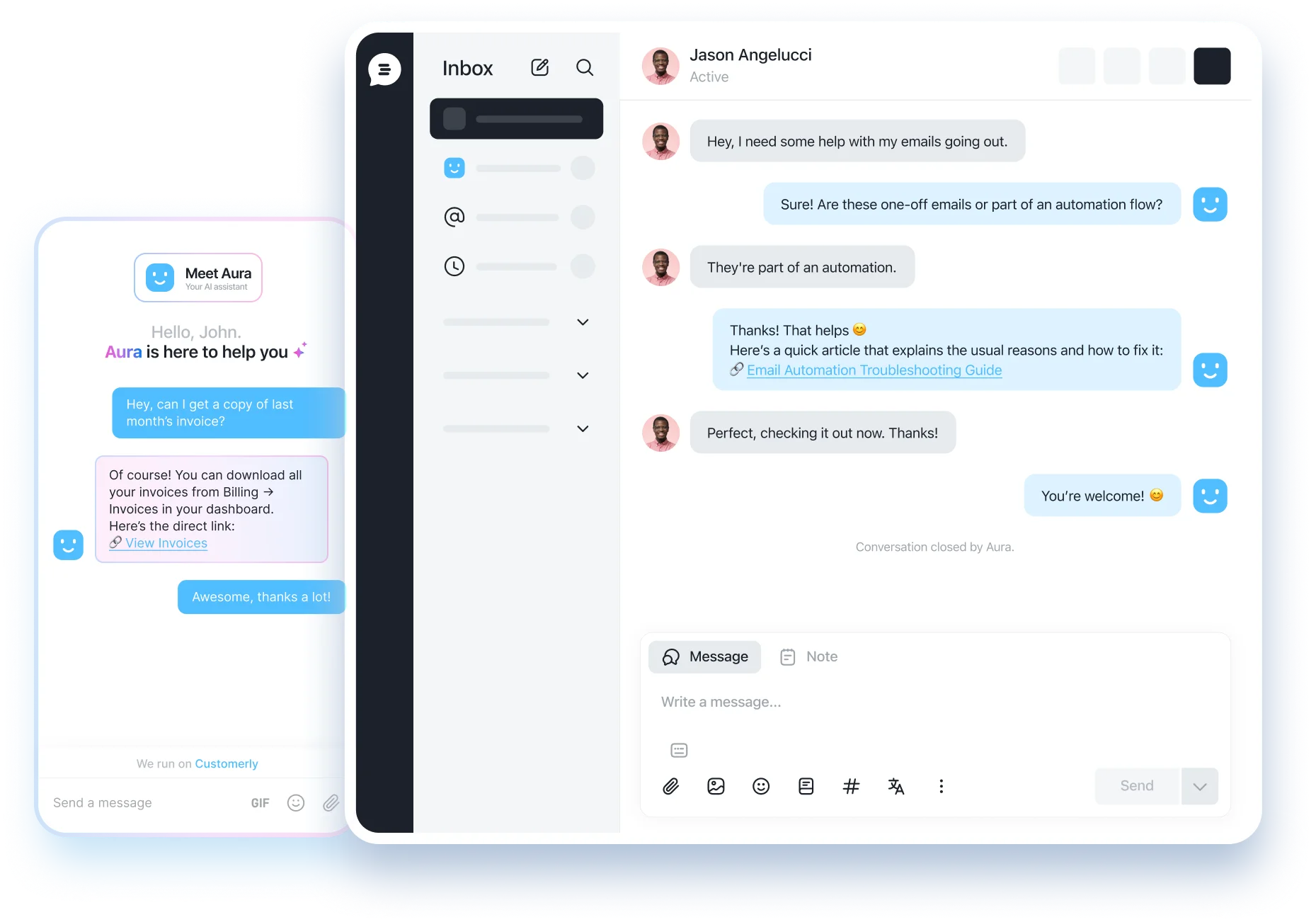
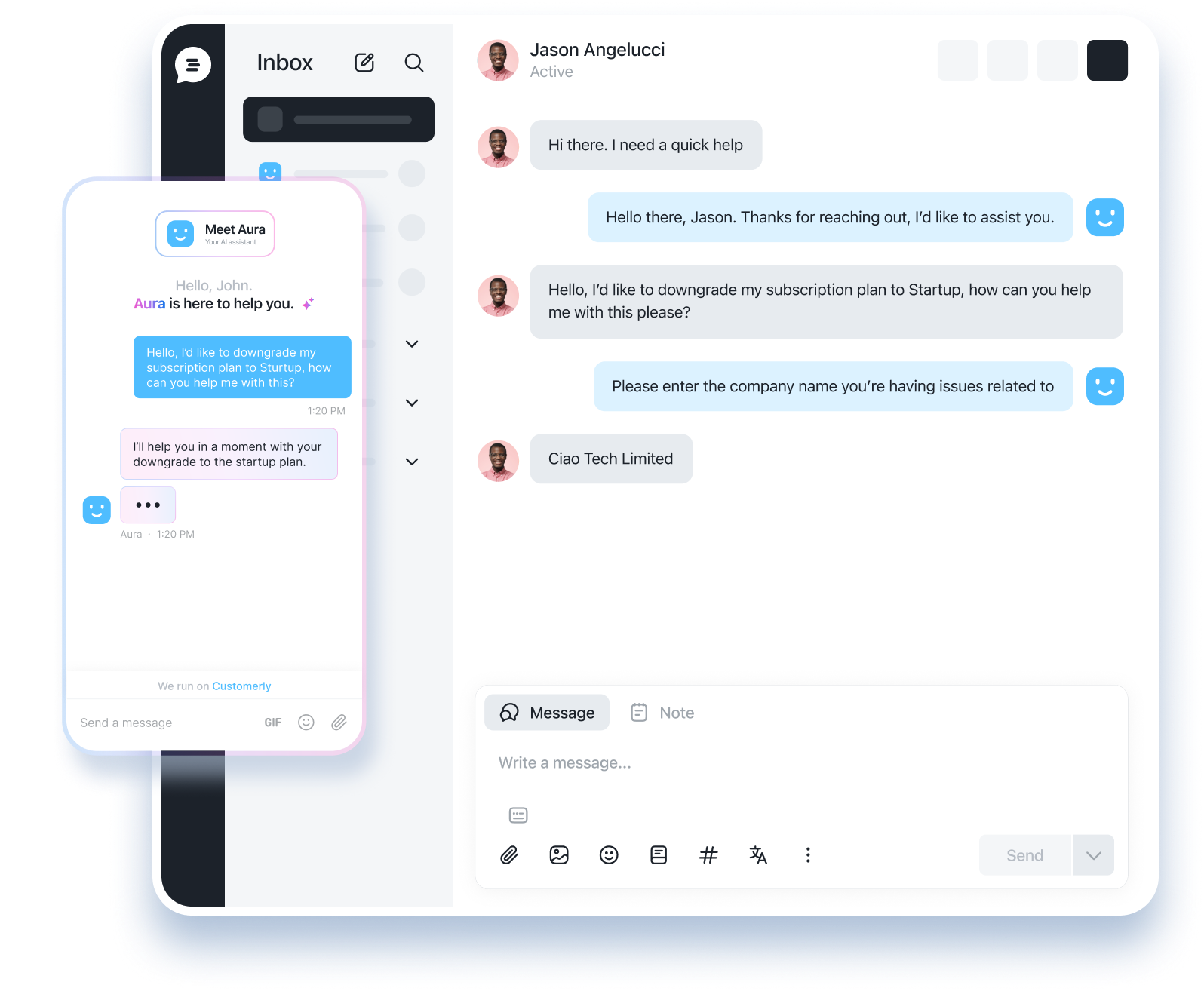
Support Engineer (SE) is a professional responsible for providing technical support, diagnosing, and resolving hardware or software issues.
Definition
A Support Engineer (SE) is a professional who provides technical support and troubleshooting services for end-users having issues with hardware, software, networking, and other computer-related technologies. They are the front liners in providing effective solutions and ensuring the smooth operation of various technologies used by a company.
Usage and Context
Support Engineers are employed in a wide range of industries, including IT companies, telecommunications, automotive, manufacturing, and more. They work closely with clients to identify and solve software and hardware issues. They are also responsible for maintaining systems, installing new hardware and software solutions, and providing training to users.
FAQ
What are the primary responsibilities of a Support Engineer?
Support Engineers are responsible for diagnosing and resolving technical issues, maintaining hardware and software, providing customer service, and training end-users.
What skills are required for a Support Engineer?
A Support Engineer should have excellent problem-solving skills, a strong understanding of software and hardware systems, and excellent communication skills.
Related Software
Support Engineers often use diagnostic software, system analysis software, database management system software, and development environment software.
Benefits
Hiring a Support Engineer can help ensure that technical issues are resolved quickly and efficiently, minimizing downtime and increasing productivity. They can also help with system upgrades and user training, further enhancing the efficiency of a business.
Conclusion
Support Engineers play a vital role in maintaining the technological infrastructure of a company. They provide crucial support that allows businesses to operate smoothly and efficiently.
Related Terms
SaaS (Software as a Service)
SaaS is a cloud computing model that delivers applications over the internet, eliminating the need for local installation and maintenance.
SaaS Customer Lifecycle
The SaaS Customer Lifecycle refers to the customer's journey with a SaaS company, from acquisition to referral. It's crucial for customer engagement strategies.
SBR (Skills-Based Routing)
Skills-Based Routing (SBR) is a strategy used in call centers to assign incoming calls to the most suitable agent based on their skills and knowledge.
SCRM (Social Customer Relationship Management)
SCRM is a strategy that integrates social media services into traditional CRM processes to engage with customers on a more personal level.
Segmentation
Segmentation is a marketing strategy that involves dividing a broad target market into subsets with common needs for more efficient targeting.
Segmentation Analysis
Learn about Segmentation Analysis, a data mining method that allows businesses to understand their customers and develop effective marketing strategies.
Segmentation Rules
Segmentation rules are guidelines used to classify larger groups into smaller segments based on certain characteristics, commonly used in marketing.
Segmentation Software
Segmentation software is a tool used to divide data into various segments for easier analysis and interpretation. It's widely used in marketing, machine learning, and healthcare.
Segmentation Strategies
Segmentation Strategies refer to the approach businesses use to divide their market into manageable segments. It is a marketing strategy that involves dividing a broad target market into subsets of consumers.