

Chatbot
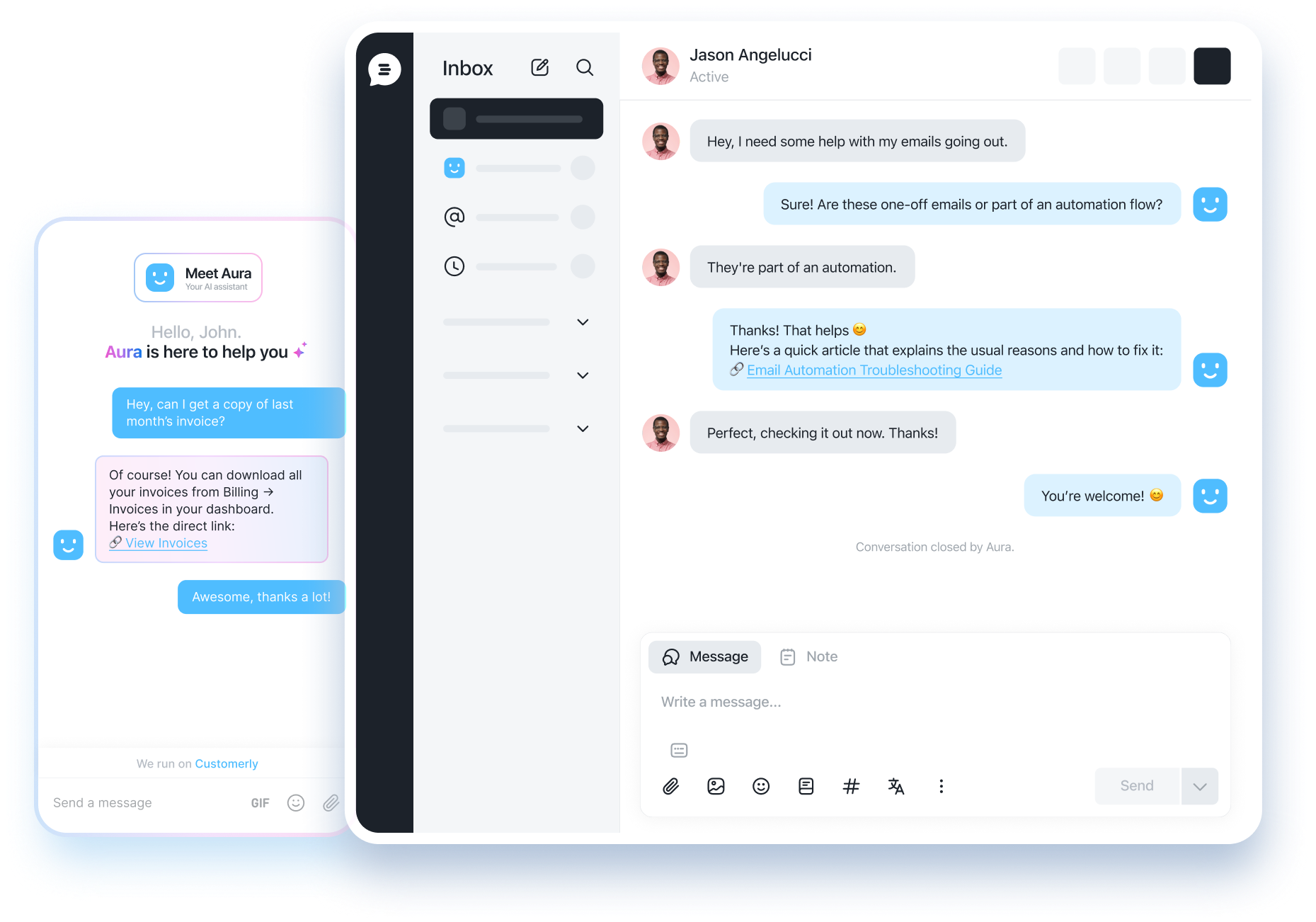
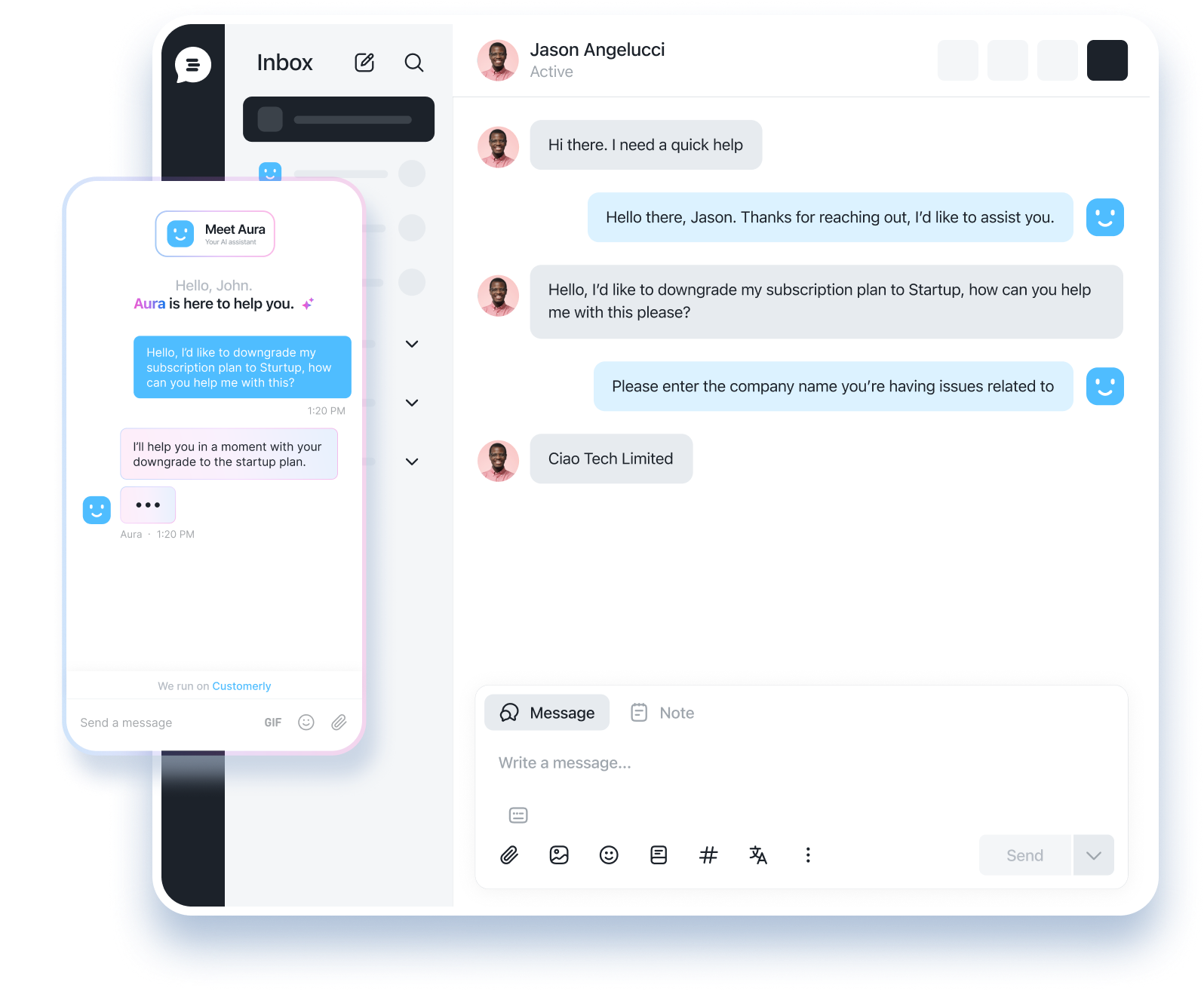
Chatbots are AI-driven software designed to simulate human conversation and provide instant responses to user queries.
Definition
A chatbot is a type of software designed to simulate human conversation. It interacts with users through messaging platforms, websites, mobile apps, or through the telephone. Chatbots use artificial intelligence (AI) and machine learning to understand and respond to user queries, often providing instant and accurate answers. They're generally used to automate tasks that would otherwise require human intervention.
Usage and Context
Chatbots are used across various industries for different purposes. They are often used in customer service to handle common queries, thereby reducing the workload of customer service representatives. In e-commerce, chatbots assist customers in shopping by answering product-related queries and making recommendations. They are also used in healthcare for appointment scheduling, medication reminders, and providing first-level support.
FAQ
How do chatbots work?
Chatbots work by processing the user's input, understanding the context, and generating a suitable response. This involves natural language processing, a field of AI that deals with human-computer interaction.
Are chatbots effective?
Yes, when implemented correctly, chatbots can significantly improve customer service efficiency and enhance user engagement.
Related Software
Some popular chatbot software includes Customerly, Chatfuel, and ManyChat. These tools provide features for creating, testing, and deploying chatbots.
Benefits
Chatbots provide numerous benefits. They can provide 24/7 customer support, handle multiple queries simultaneously, and provide instant responses. They also reduce operational costs and enhance customer engagement.
Conclusion
Chatbots are transforming the way businesses interact with their customers. As AI and machine learning technologies continue to evolve, we can expect chatbots to become even more sophisticated and versatile.
Related Terms
CaaS (Communication as a Service)
CaaS (Communication as a Service) is a cloud-based model for outsourcing enterprise communication solutions, offering cost savings, scalability, and flexibility.
CAC (Customer Acquisition Cost)
Learn about Customer Acquisition Cost (CAC), a key business metric that helps in understanding the cost of acquiring a new customer.
CAC:LTV (Customer Acquisition Cost to Lifetime Value Ratio)
The CAC:LTV ratio is a business metric assessing the cost of acquiring a new customer against the revenue they generate over their lifetime.
Call Centre Scripting Software
Call Centre Scripting Software is a tool used in call centres to guide agents through customer interactions. It improves consistency, efficiency and customer satisfaction.
Call Deflection
Call deflection is a strategy used in customer service to manage incoming calls by directing them towards more efficient, automated or self-service channels.
Call Escalation
Call Escalation refers to the process of transferring a customer's call to a higher authority or skilled representative to resolve complex issues.
Call Monitoring
Call Monitoring is the practice of observing and analyzing phone calls within a company to maintain quality control, ensure compliance, and improve customer service.
Call Recording
Call Recording is a technology-based process allowing businesses to record telephone conversations for quality control, training, and legal purposes.
Call Scripting
Call scripting is a strategy used to manage phone interactions with customers, providing a consistent and professional approach to communication.