

Customer Lifecycle Management
Customer Lifecycle Management (CLM) is a strategy for managing the entire lifecycle of a customer, enhancing customer value and driving growth.
Definition
Customer Lifecycle Management (CLM) is a strategic approach to managing the entire lifecycle of a customer, from first contact through purchase and post-sale interactions. It involves understanding and managing customer experiences and relationships in a way that enhances customer value, increases customer loyalty, and drives revenue growth. CLM is a crucial component of customer relationship management (CRM) and includes tactics such as customer acquisition, retention, loyalty, and churn management.
Usage and Context
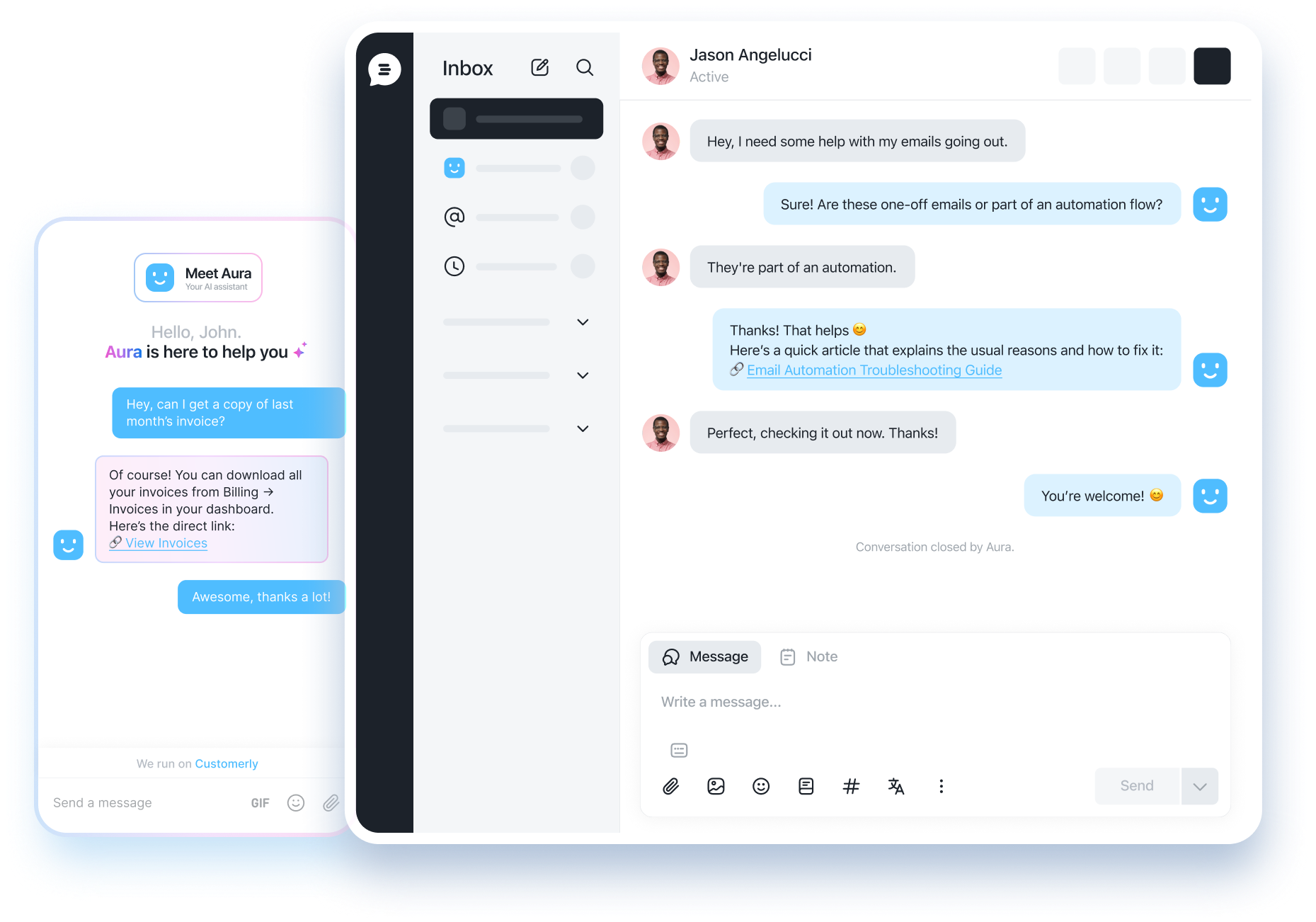
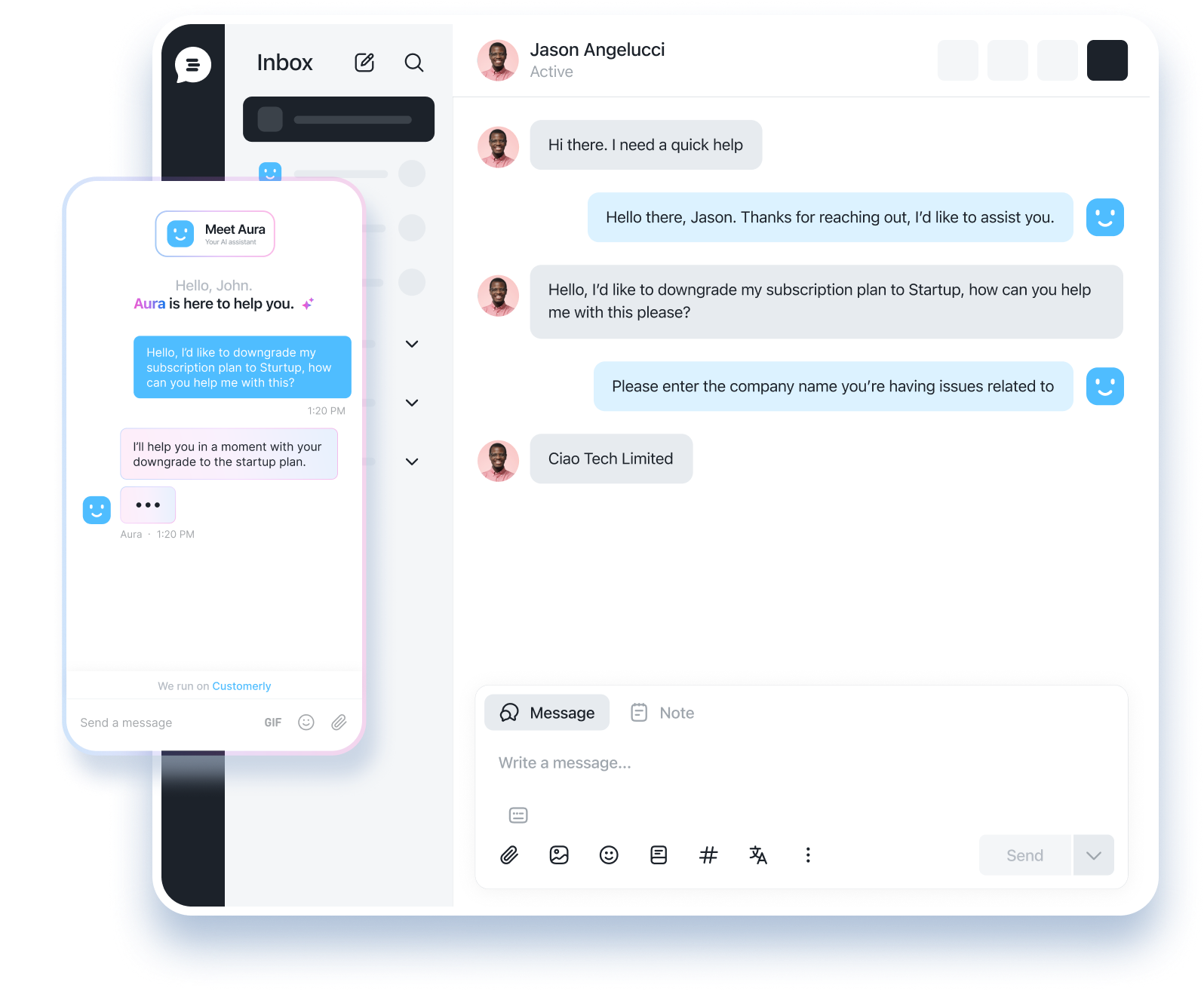
In a business context, CLM is used to track and manage customer interactions across different channels, such as websites, social media, and email. This information is then used to create personalized customer experiences, improve customer satisfaction, and drive business growth. CLM can be used in various industries, including retail, banking, telecommunications, and more.
FAQ
What is the purpose of Customer Lifecycle Management?
The primary purpose of CLM is to build long-term, profitable relationships with customers. This is achieved by understanding customer behavior, preferences, and needs, and then tailoring products, services, and interactions to meet these needs.
How does Customer Lifecycle Management work?
CLM works by tracking and analyzing customer interactions across different channels and touchpoints. This data is then used to create personalized customer experiences, improve customer satisfaction, and drive business growth.
Related Software
There are many software solutions available that can assist businesses in implementing effective CLM strategies. These include CRM systems, marketing automation tools, and customer analytics software.
Benefits
The benefits of CLM include improved customer satisfaction, increased customer loyalty, and enhanced business growth. By understanding and meeting customer needs, businesses can build stronger relationships with their customers, ultimately leading to higher profits.
Conclusion
In conclusion, Customer Lifecycle Management is a key strategy for any business aiming to build strong, long-term relationships with its customers. By understanding and managing customer interactions and experiences, businesses can increase customer loyalty, drive revenue growth, and enhance overall customer value.
Related Terms
Customer Relationship Management
An explanation of Customer Relationship Management (CRM), its usage, context, related software, benefits, and common questions related to it.
Customer Retention
Customer retention refers to strategies used by businesses to encourage repeat business and loyalty from their existing customer base.
Customer Acquisition
Customer Acquisition is the process of gaining new customers through different marketing strategies. It's a vital function for any business growth.
Customer Loyalty
Customer loyalty refers to the likelihood of repeat customers choosing a specific brand or company over its competitors. It is beneficial for business growth and profitability.