

Self-Service Portal
A Self-Service Portal is a centralized platform where users can access services and resources independently, improving efficiency and customer satisfaction.
Definition
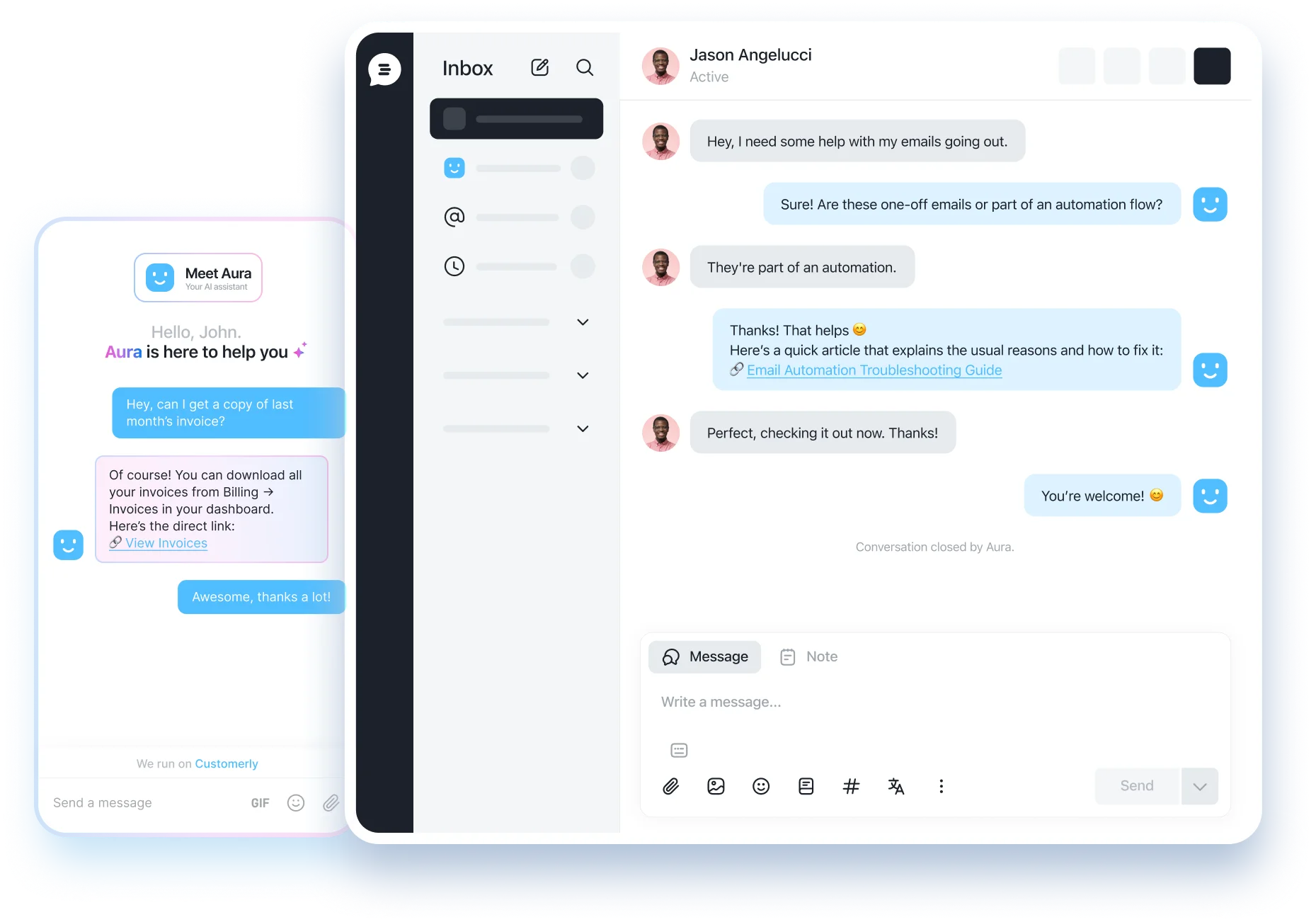
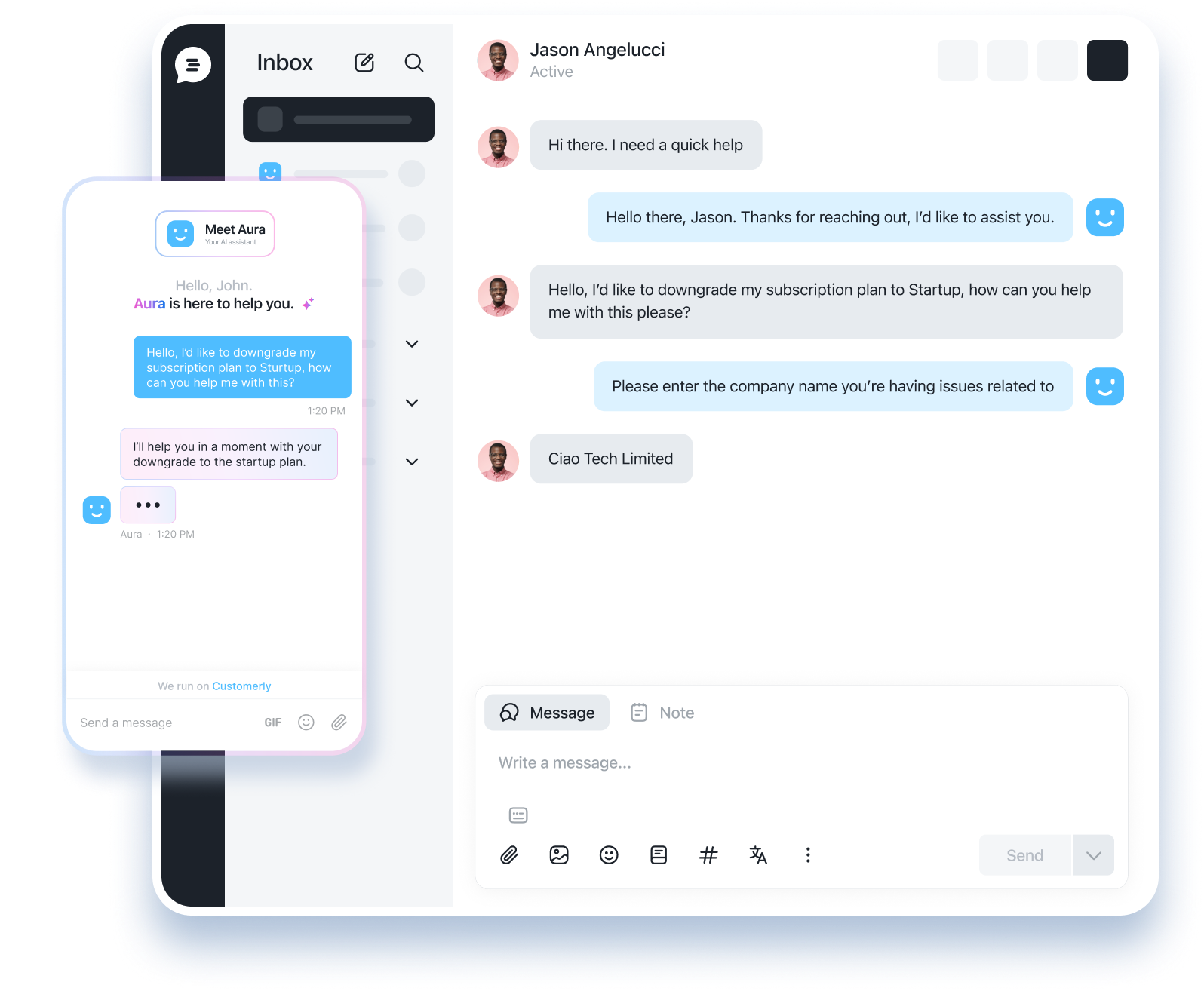
A Self-Service Portal is a specially designed website or web page where users can access services, information, and resources without the need for direct interaction with a service provider or administrator. It provides a centralized platform for individuals to perform various tasks independently, often streamlining processes and improving efficiency.
Usage and Context
Self-Service Portals are commonly used in different sectors including, but not limited to, IT, telecommunications, healthcare, and customer service. In IT, for instance, an employee can use a self-service portal to request hardware or software solutions, reset passwords, or report issues. In the healthcare sector, patients can book appointments, access medical records, or ask questions.
FAQ
What are the key features of a Self-Service Portal?
Key features include user-friendly interface, secure login, customizable dashboards, real-time tracking, and reporting capabilities.
What is the purpose of a Self-Service Portal?
The primary purpose is to provide users with 24/7 access to services, information, and resources, thereby reducing the need for human intervention and increasing efficiency.
Related Software
Some popular self-service portal software includes Zendesk, Freshdesk, and Zoho Desk.
Benefits
Self-Service Portals offer numerous benefits. They provide round-the-clock access to services and resources, reduce the workload of service providers, improve customer satisfaction, and can lead to significant cost savings.
Conclusion
In summary, a Self-Service Portal is a valuable tool for any organization looking to improve efficiency and customer satisfaction. By providing users with the ability to access services and resources independently, organizations can streamline processes and reduce costs.
Related Terms
SaaS (Software as a Service)
SaaS is a cloud computing model that delivers applications over the internet, eliminating the need for local installation and maintenance.
SaaS Customer Lifecycle
The SaaS Customer Lifecycle refers to the customer's journey with a SaaS company, from acquisition to referral. It's crucial for customer engagement strategies.
SBR (Skills-Based Routing)
Skills-Based Routing (SBR) is a strategy used in call centers to assign incoming calls to the most suitable agent based on their skills and knowledge.
SCRM (Social Customer Relationship Management)
SCRM is a strategy that integrates social media services into traditional CRM processes to engage with customers on a more personal level.
SE (Support Engineer)
Support Engineer (SE) is a professional responsible for providing technical support, diagnosing, and resolving hardware or software issues.
Segmentation
Segmentation is a marketing strategy that involves dividing a broad target market into subsets with common needs for more efficient targeting.
Segmentation Analysis
Learn about Segmentation Analysis, a data mining method that allows businesses to understand their customers and develop effective marketing strategies.
Segmentation Rules
Segmentation rules are guidelines used to classify larger groups into smaller segments based on certain characteristics, commonly used in marketing.
Segmentation Software
Segmentation software is a tool used to divide data into various segments for easier analysis and interpretation. It's widely used in marketing, machine learning, and healthcare.